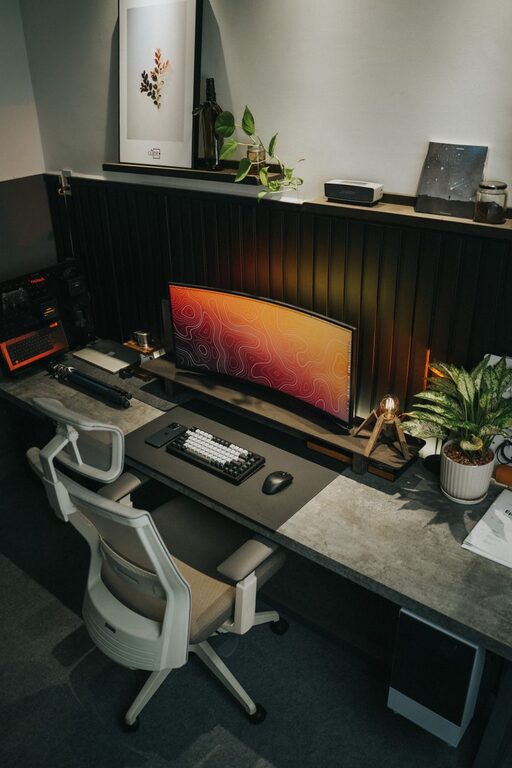
Creating a home office space that is both beautiful and functional can greatly enhance your work experience. Whether you work remotely full-time or need a dedicated spot for occasional tasks, a well-designed office helps maintain focus, reduce stress, and promote productivity.
In this post, you’ll find practical tips for setting up a home office that looks inviting while meeting all your work needs. Let’s explore essential aspects to consider when creating your ideal workspace.
Choose the Right Location in Your Home
Consider Natural Light
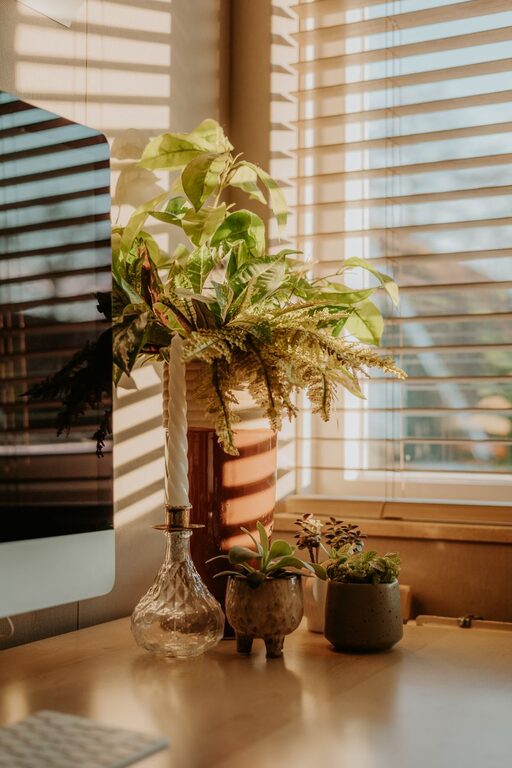
If possible, place your workspace near a window to take advantage of natural light. Sunlight improves mood and reduces eye strain, making long work sessions more comfortable. Make sure the window has blinds or curtains to control glare on screens.
Find a Quiet Spot
Select a part of your home that has minimal distractions. Avoid areas with heavy foot traffic or noisy appliances. A quiet space helps you focus and maintains a professional atmosphere during virtual meetings.
Utilize Unused Corners
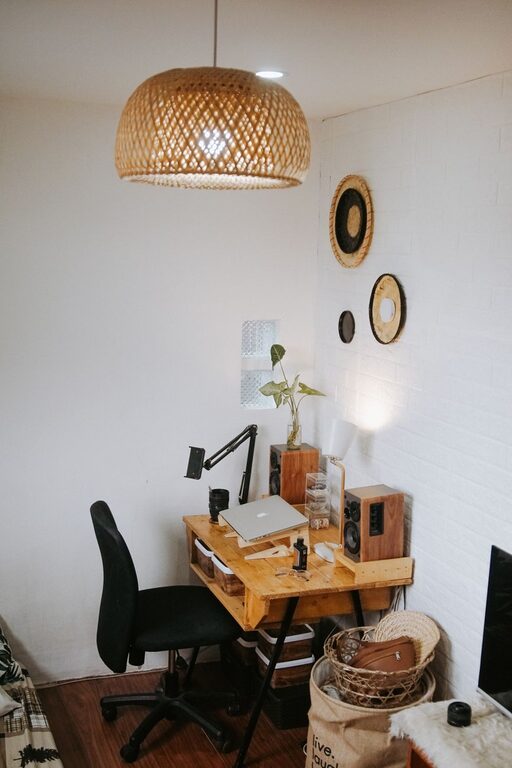
Don’t overlook unused nooks or corners. These smaller spaces can be transformed into cozy work areas with the right furniture and decor.
Invest in Comfortable and Functional Furniture
Choose an Ergonomic Chair
Comfort is key when spending hours seated. An ergonomic chair supports good posture and reduces the risk of back pain. Look for adjustable height, lumbar support, and breathable material.
Select a Suitable Desk
Pick a desk that fits the space and accommodates your work essentials like computer, notebooks, and office tools. Consider desks with built-in storage or adjustable heights if you want the option to stand while working.
Include Storage Solutions
Clutter can make a workspace stressful. Use shelves, filing cabinets, or organizers to keep your desk clear. Storage also keeps important documents and supplies within reach.
Optimize Your Lighting
Layered Lighting Works Best
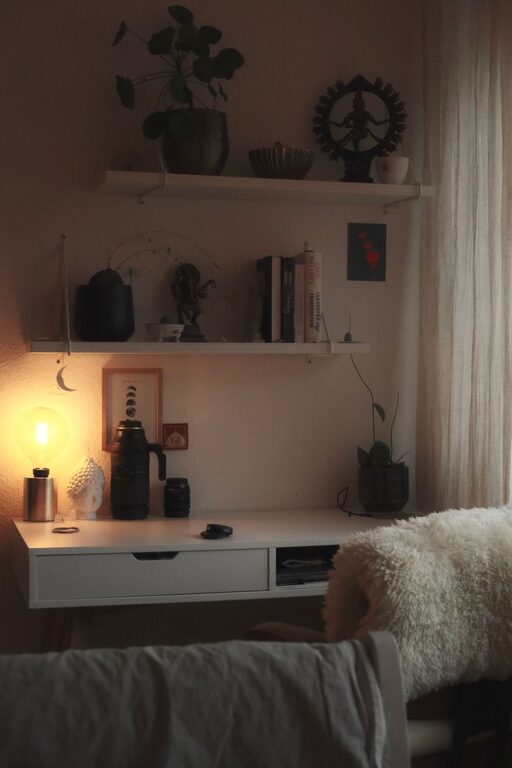
Combine ambient lighting with task lighting. Overhead lights provide general illumination, while desk lamps focus on your work area. This prevents eye strain and creates a warm, inviting atmosphere.
Choose Warm or Neutral Light Bulbs
Lighting with warm or neutral tones is easier on the eyes than harsh fluorescent lights. It also contributes to a cozy and comfortable environment.
Personalize Your Space Thoughtfully
Use Color to Inspire
Choose colors that motivate you. Soft blues and greens are calming, while pops of yellow or orange add energy. Avoid overly bright colors that may distract you.
Add Plants and Greenery
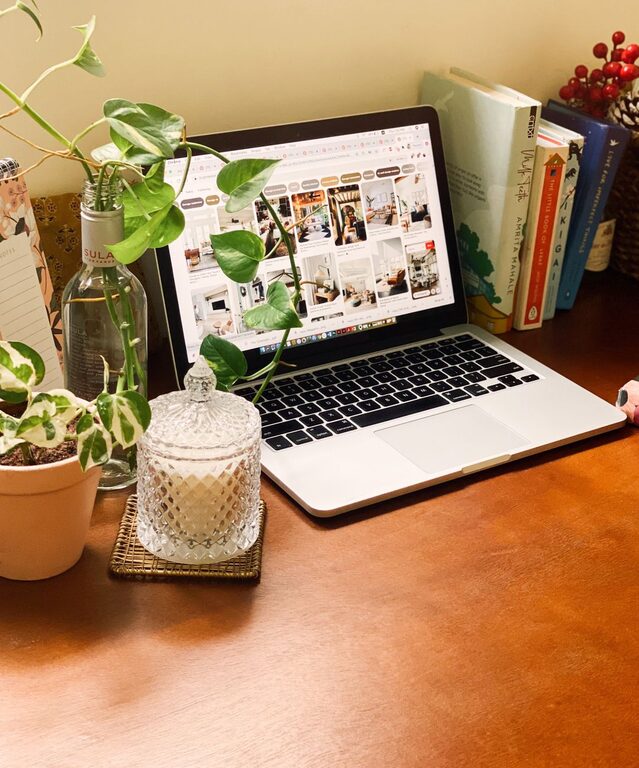
Plants improve air quality and add a natural touch. A small potted plant or a succulent on your desk can boost mood and focus.
Display Meaningful Items
Incorporate personal touches like artwork, photos, or motivational quotes without overwhelming the space. These help create a space that feels uniquely yours.
Organize Cables and Technology
Manage Wires Cleanly
Use cable clips, sleeves, or under-desk trays to keep cords orderly and out of sight. This reduces clutter and minimizes tripping hazards.
Upgrade Your Equipment
Ensure your computer, printer, and other tools meet your work requirements. Reliable technology prevents frustration and downtime.
Keep Charging Stations Accessible
Set up a charging area for phones, tablets, and other devices to keep everything powered without cluttering your desk.
Maintain Good Air Quality and Comfort
Ventilation Matters
If possible, keep a window open occasionally or use a fan/air purifier to circulate fresh air. Good air quality supports better concentration.
Control Temperature
Keep your workspace at a comfortable temperature. Use space heaters or fans as needed, or adjust HVAC settings for optimal comfort.
Establish Boundaries and Routine
Define Work Hours
Setting clear working hours helps balance work and personal life, especially if your office is in a shared space.
Keep the Space for Work Only
Try to use your home office only for work tasks. This psychological separation supports focus during work hours and relaxation afterward.
Final Thoughts
Creating a beautiful and functional home office is not just about aesthetics; it’s about crafting an environment that supports your productivity and well-being. By considering location, furniture, lighting, personalization, and organization, you can design a workspace that inspires and empowers you every day.
Remember, the best home office is one that fits your unique needs and makes working from home a pleasant experience. Experiment with these tips, adjust as you go, and enjoy the benefits of a well-designed workspace.