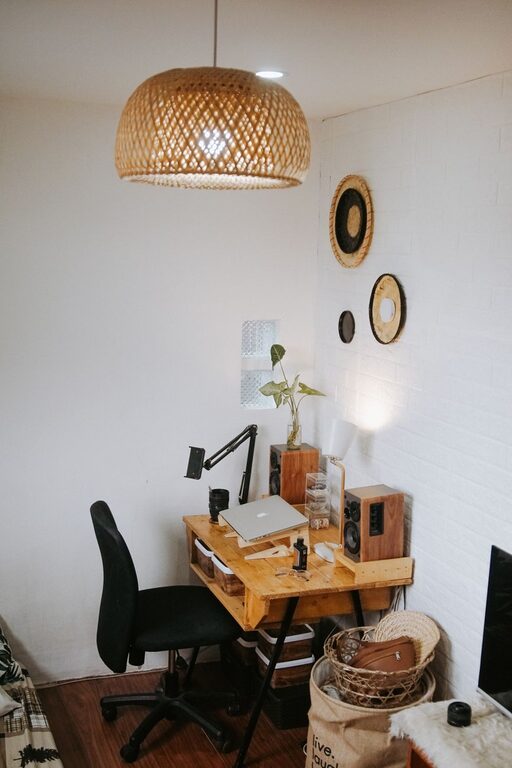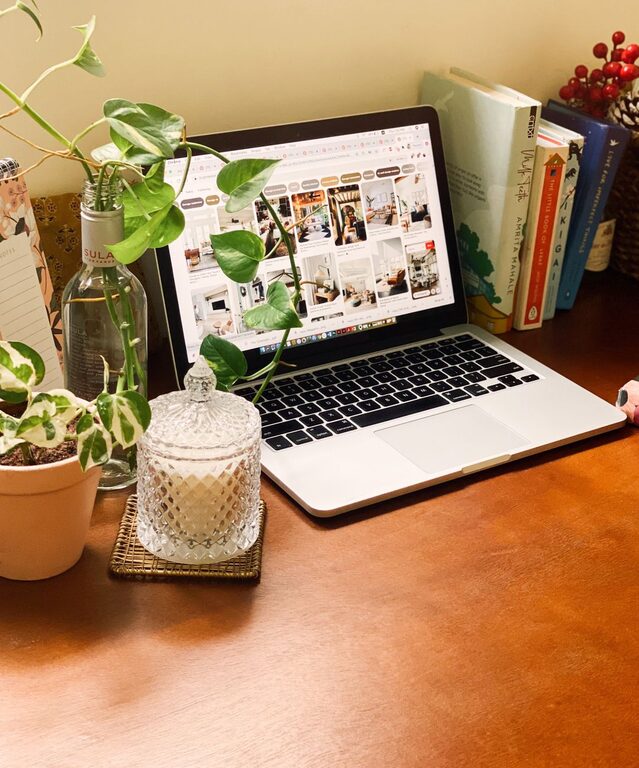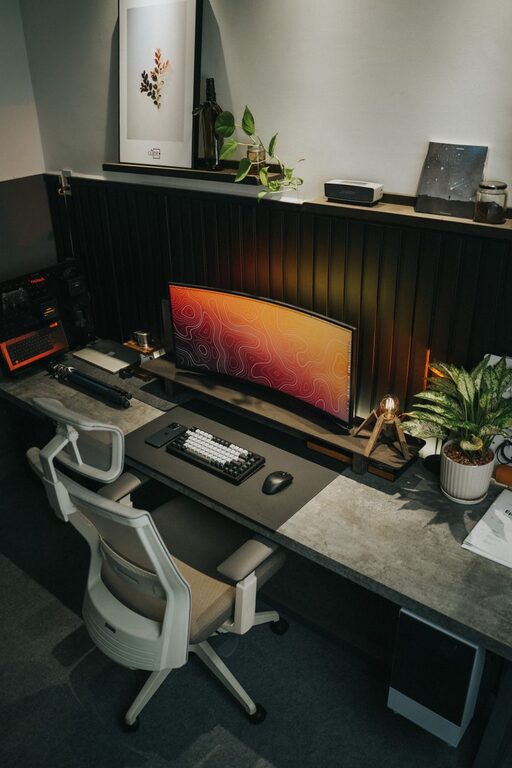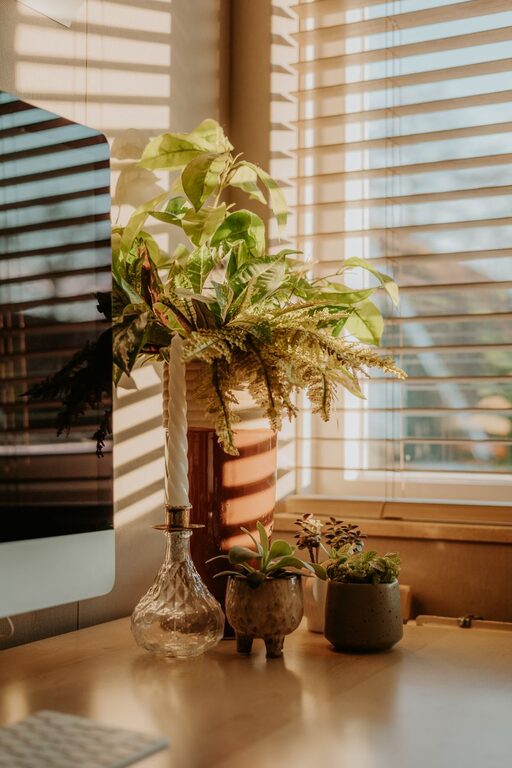
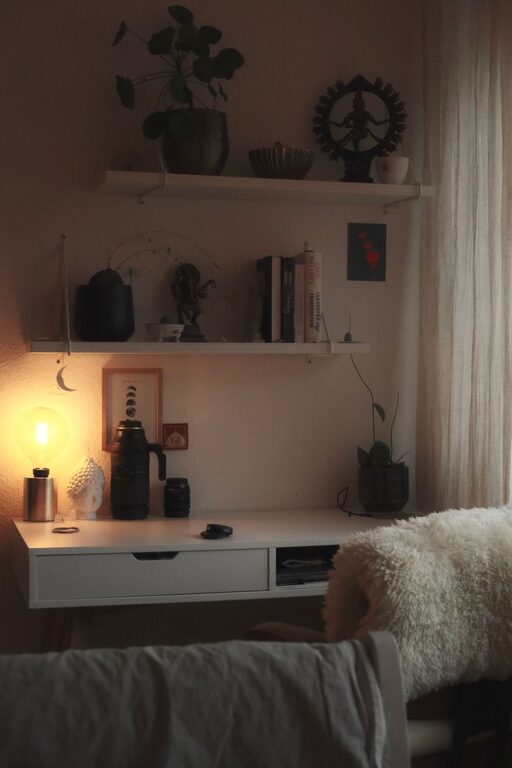
Creating a relaxing home office environment can greatly improve your productivity, focus, and overall well-being. Whether you work remotely full-time or need a dedicated space for occasional tasks, your home office should feel comfortable and inviting. In this post, we’ll explore practical tips to help you design a workspace that promotes calmness and efficiency.
Why a Relaxing Home Office Matters
A stressful or cluttered workspace can negatively impact your concentration and even increase anxiety. By intentionally designing a home office that feels peaceful, you set the stage for better work habits and a balanced mindset. When your environment supports relaxation, you’ll find it easier to tackle tasks and quickly regain focus after breaks.
Choose the Right Location
Selecting the best spot in your home for your office is a crucial first step.
– Natural light: Aim for a location near a window to take advantage of natural light, which helps improve mood and reduces eye strain.
– Quiet space: Pick an area away from noisy appliances or household traffic to minimize distractions.
– Separate from living spaces: If possible, use a room or corner that is distinct from your relaxation or entertainment areas to create a mental boundary between work and home life.
Invest in Comfortable Furniture
Since you may spend several hours in your home office daily, comfort plays a major role in maintaining relaxation.
– Supportive chair: Choose an ergonomic chair that supports good posture and minimizes back pain.
– Proper desk height: Ensure your desk allows your arms to rest naturally without strain.
– Adjustable setup: Consider accessories like monitor stands or keyboard trays to customize your workspace.
Keep It Organized and Clutter-Free
A tidy environment promotes a clear mind. Use these tips to maintain organization:
– Storage solutions: Use shelves, drawers, or filing cabinets to keep papers and office supplies out of sight.
– Minimal decor: Avoid overcrowding your desk with too many items; keep essentials within reach.
– Daily cleanup: Take a few minutes at the end of each day to straighten your space.
Incorporate Calming Colors and Decor
Colors impact mood and energy levels. Soothing shades and decor can create a more relaxing atmosphere.
– Choose calming colors: Soft blues, greens, and neutrals are known to reduce stress.
– Add plants: Indoor plants improve air quality and add a touch of nature, which can be calming.
– Personal touches: Include artwork or photos that make you happy but avoid clutter.
Manage Lighting Wisely
Good lighting reduces eye strain and helps set the right mood for work.
– Use layered lighting: Combine natural light with ambient and task lighting.
– Avoid harsh glare: Position your screen to prevent reflections and use adjustable lamps.
– Consider warm bulbs: Warm-toned lightbulbs create a cozy feeling compared to cool, bright lights.
Reduce Noise Distractions
Noise can break your concentration and increase stress. Try these strategies:
– Noise-cancelling headphones: These can help block out background sounds.
– Soft background music: Gentle instrumental music or nature sounds can improve focus for some people.
– Soundproofing: Use rugs, curtains, or wall panels to dampen noise if possible.
Take Breaks and Move
Even with a perfect setup, sitting for long periods can feel draining.
– Regular breaks: Follow the 20-20-20 rule – every 20 minutes, look at something 20 feet away for 20 seconds.
– Stretch or walk: Stand up and move around to reduce tension and refresh your mind.
– Mindfulness moments: Practice deep breathing or quick meditation to reset your focus.
Maintain Good Air Quality
Fresh air can boost alertness and comfort.
– Ventilation: Open windows when weather permits to circulate fresh air.
– Air purifiers: Consider using one if your space feels stuffy.
– Plants again: Besides aesthetics, some plants help purify indoor air.
Establish Daily Routines
Having a routine reinforces your sense of structure and reduces anxiety.
– Set work hours: Define when your workday starts and ends to separate work from personal time.
– Morning rituals: Begin with a calming activity like stretching or a cup of tea to prepare your mind.
– Evening wind-down: End with organizing your desk and planning for the next day.
—
Creating a relaxing home office environment takes a little planning, but the benefits are well worth the effort. By combining comfort, organization, lighting, and calming elements, you’ll build a workspace that supports your productivity and well-being every day. Remember, the goal is to make your home office a place where you feel focused but also calm and comfortable. Happy decorating!